Music play for grown ups has roots reaching out to lots of projects from elsewhere.
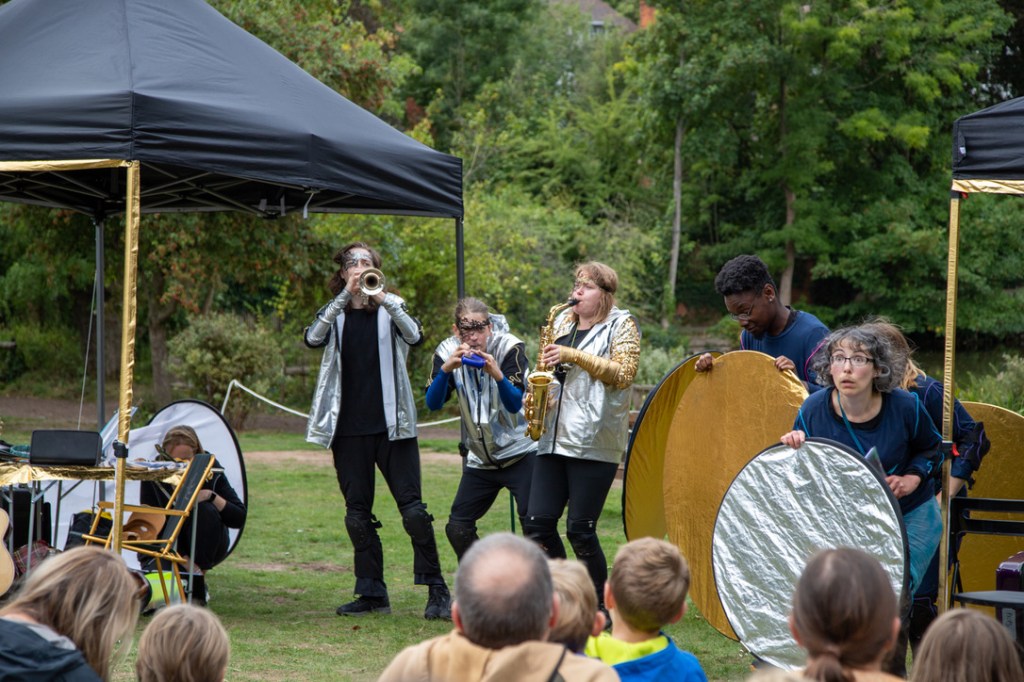
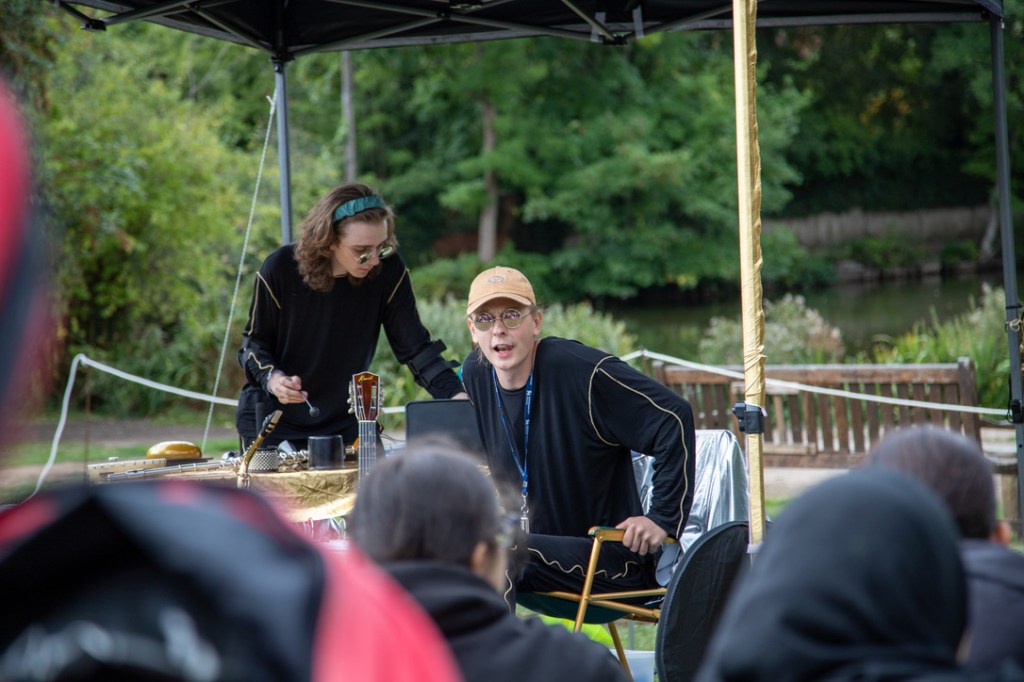
For instance, Stages of Cancer (above) was an improvisation made with a psychiatric patient as a part of Plugin, a project by Quench Arts. This was the third time he had touched a piano, after a session the week before – he played the right hand, I suggested we didn’t talk but just played, and I provided a repetitive left hand to follow his harmony, while my colleague played synth strings. He dedicated it to his mother. I was trying to apply practices from my other work in Intensive Interaction (with Fantastic Journeys)- in mirroring, following and tuning in – into music facilitation.
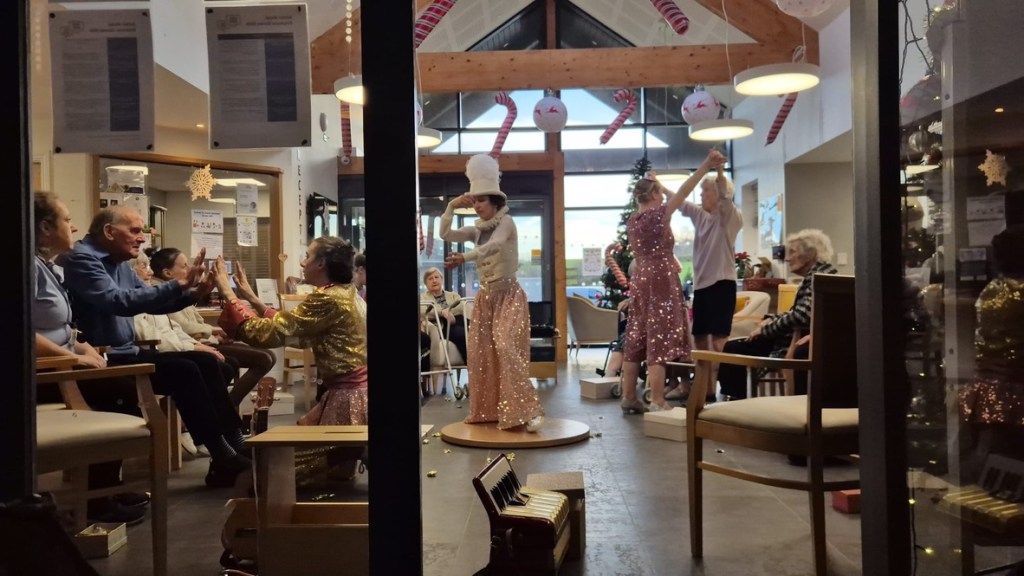
Other improvisations were with musicians – looking to practice my own musical social skills with colleagues as a part of Cut Your Teeth & Braid Your Hair, a practice session to build confidence as an autistic musician after the recent start of my Tourette’s syndrome. Thanks to Spiltmilk Dance, I got to take part in their beautifully collaborative devising process for Bloom, a playful, joyful and reflective show for older adults.

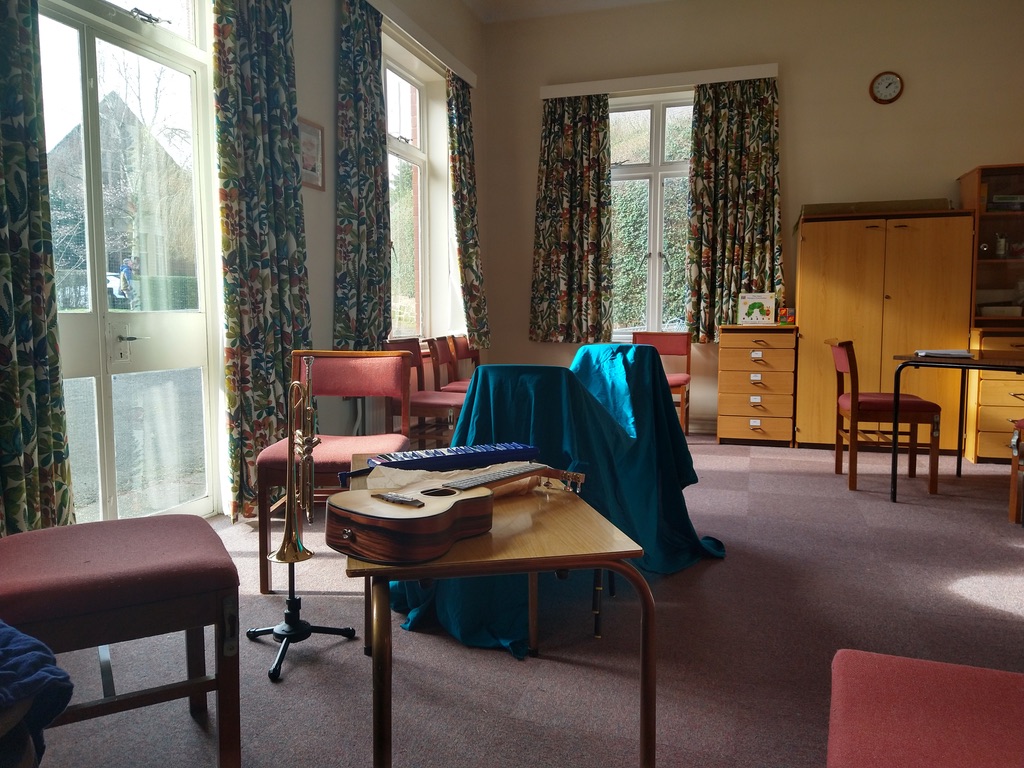

I became very passionate also about the different kinds of play possible in mixed media work, due to the ways that highly indidvidual sensory experiences can reach people when nothing else can – for instance working in Care Homes and Dementia Units on Spiltmilk’s shows Bloom & Wonderland, or as a practitioner with Open Theatre. This extra use of movement (with or definitely not using words), connected by silly and heartfelt play, is something I try to bring into my facilitation with all ages.
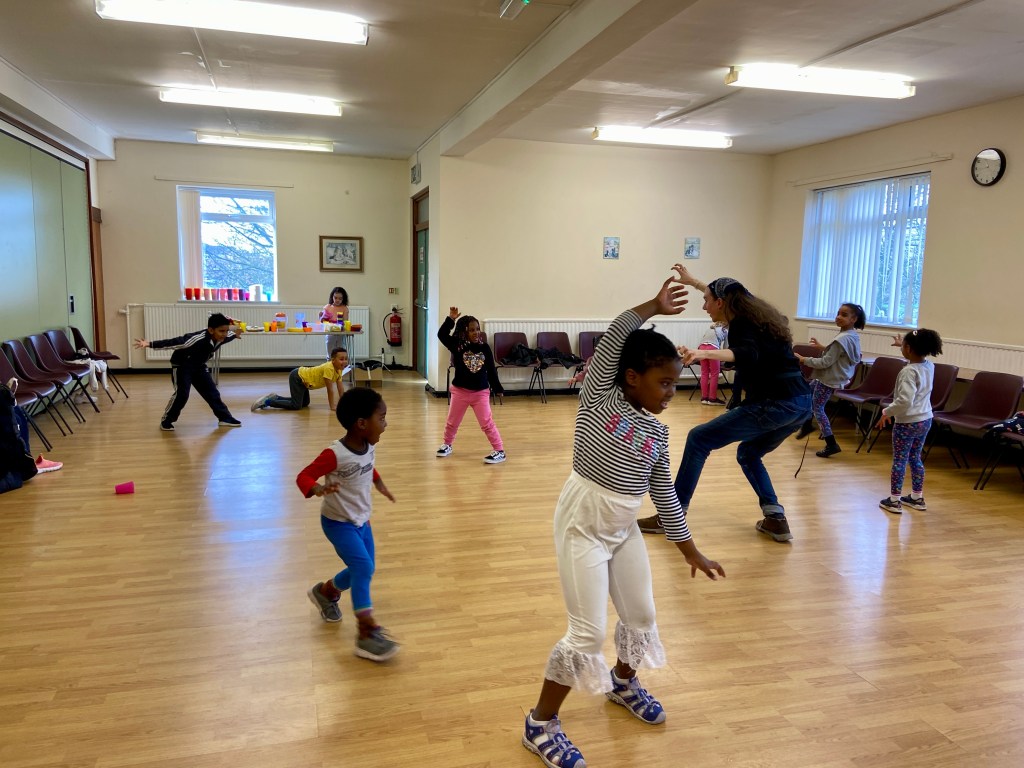
I believe play is deeply vital to our connection to each other, and our capacity to affect our world. Agency is sorely lacking in communication with so many people – and play builds skills and lets us communicate and live in the now – something that is very tricky for those who are not responsible for their own time. I want to find the ways that play can be made achievable to all, no matter where they are – as it is the fastest way of learning and changing. I believe that public, spontaneous play generates fundamental skills of communication that let us come and exist together.
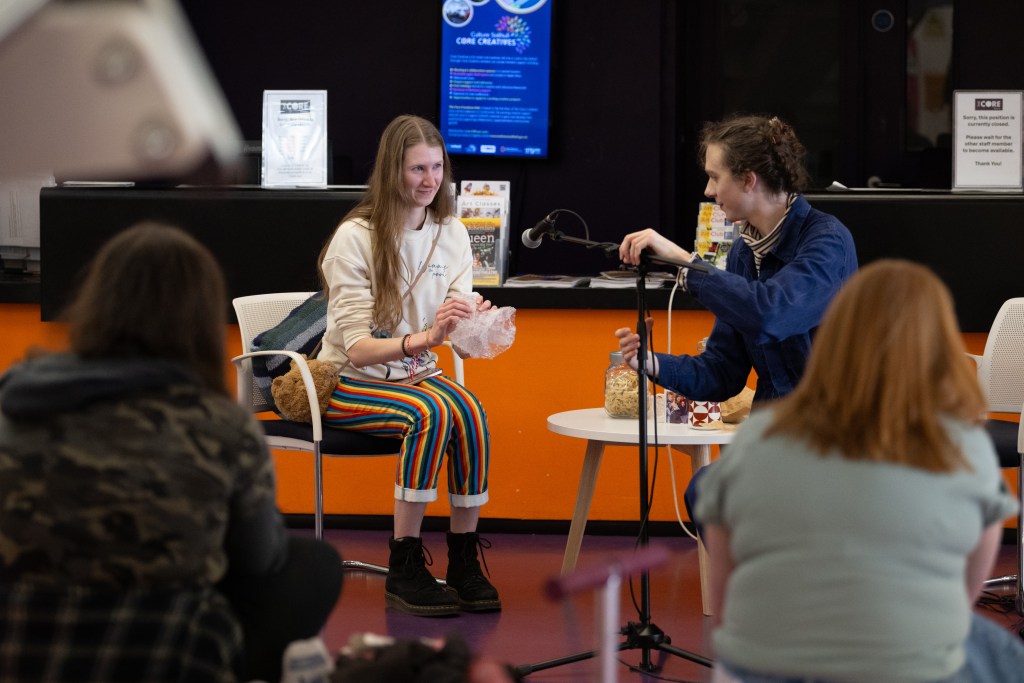
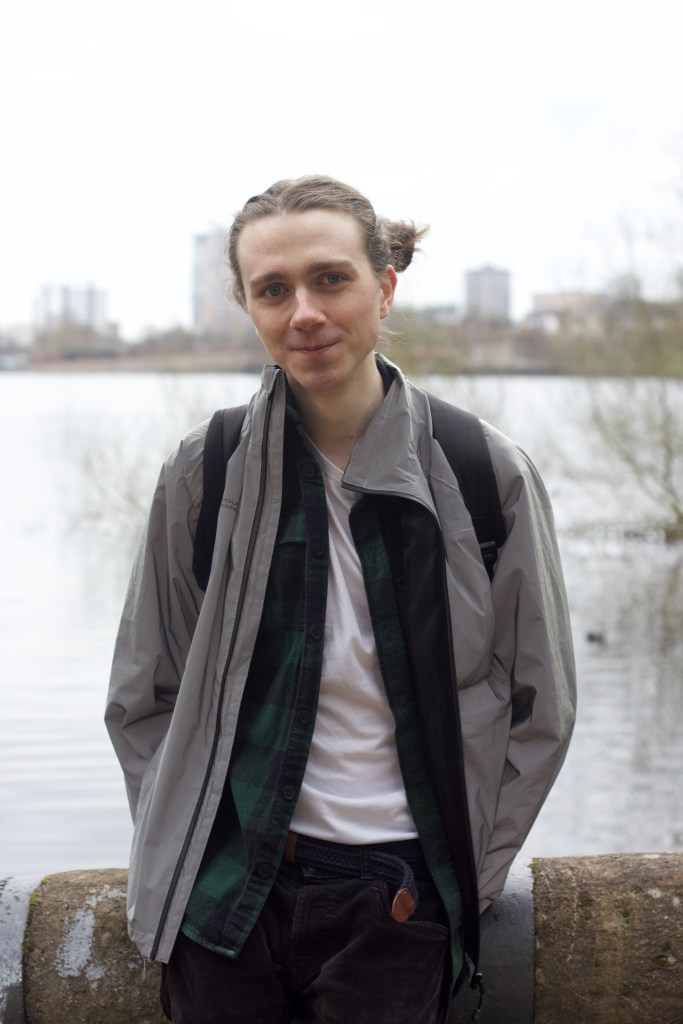
Isaac Boothman (they/them) is a neurodivergent musician and artist from Wakefield, West Yorkshire, living in Birmingham since 2017. They love and believe in the power of being silly, serious and sincere in music and art. This might mean anything from spooky backing music for cafes to holiday play days, from shows in care homes to inclusive jam sessions.
To compose and perform, they use trumpets, voices, ukuleles and keyboards, and love finding new ways to make music. Isaac regularly brings their interests and skills from outside of music into their work, including poetry, tap dance, physical theatre and sign language.
 bits of pieces